

Signs and Symptoms of Diarrhoea in Children
 When your child’s tummy is upset, it usually doesn’t stay a secret for long. Whether it starts with a bellyache or ends in dehydration, recognising the signs early can make all the difference.

Abdominal Pain: The First Red Flag
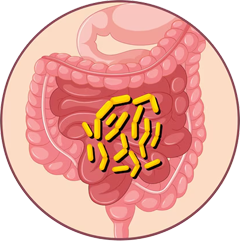
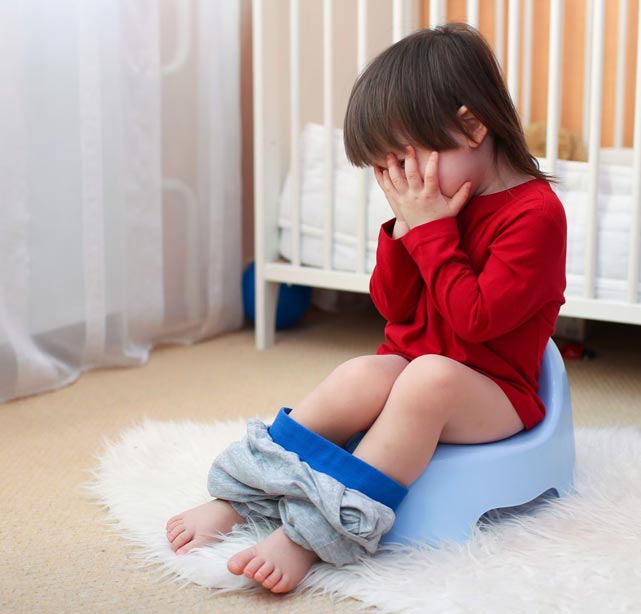
Abdominal pain is often the first sign of digestive distress. In diarrhoea, this pain may feel like cramps, mild or severe.
Common signs of pain is linked to infection:
- Nausea
- Vomiting
- Frequent loose stools
- Fever
- Pale or tired appearance
What can you do?
- Use a warm compress to ease cramping.
- Offer bland, easy-to-digest foods as advised by your paediatrician.
- If constipation is also present, increase fluids and fiber.
- Don’t ignore pain that persists. Always consult your doctor if the discomfort
Colic: The Crying that Won’t Stop
In babies, colic can cause sudden, intense episodes of crying, often from trapped gas or tummy discomfort.
How to identify colic:
- Baby cries intensely for long periods (usually in the evening)
- Pulls legs up toward the belly
- Frequently passes gas
- Face may turn red or flushed during episodes
What can you do?
- Hold your baby upright and gently pat the back to release trapped air (burp them).
- Massage your baby’s tummy gently in circular motions.
- Rock or walk with the baby for comfort.
- Keep the environment calm — your stress can affect your baby too.
Dehydration: The Most Serious Concern
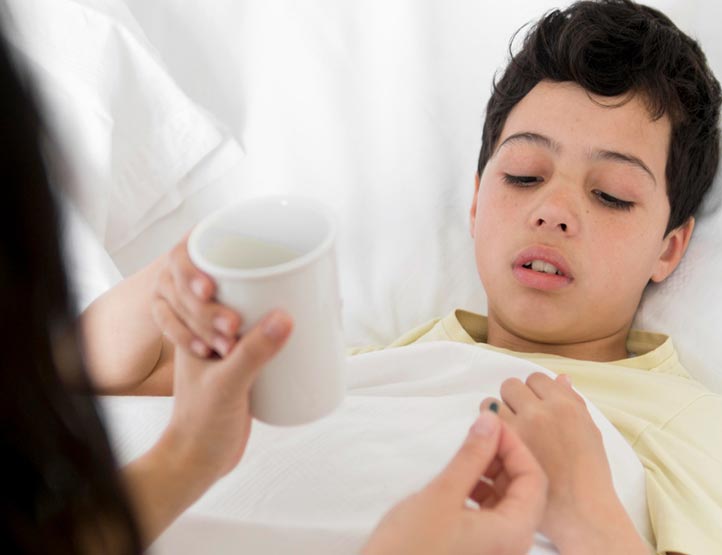
Diarrhoea can quickly lead to dehydration, especially in younger children and infants. Their smaller bodies lose water much faster, and this can become dangerous if not treated in time.
Signs of dehydration in children:
- Dry mouth, tongue, or lips
- No tears while crying
- Fewer wet diapers or less urination
- Sunken soft spot on a baby’s head (fontanelle)
- Sunken eyes, Fast heartbeat, Dry, cool skin
- Tiredness, low energy, or irritability
- High fever (over 102°F or 39°C)
- Severe vomiting or very dark/bloody stools
- Poor skin elasticity (skin doesn’t bounce back when pinched)
What should you do?
- Contact your doctor immediately if any of the above signs appear.
- Follow the treatment and diet plan your paediatrician recommends.
Final Note for Parents:
Children may not always be able to express exactly what’s wrong, but their bodies will always give signs. Whether it’s a crampy belly, unexplained crying, or dry lips, trust your instincts and act early.
Remember: Early signs → Early action → Faster recovery.
The Right Way to Treat Loose Motions in Children
When your child has diarrhoea, every bite and sip matters. The food you offer — and avoid — plays a big role in how quickly they recover. Let’s walk through the right way to treat loose motions at home, and when it’s time to call the doctor.
GUTFIT PRO 2 billion
Pediatricians’ No.1 Choice for Managing Diarrhoea in Children
Made in India, GUTFIT PRO is a trusted probiotic formulation specially designed for children. It contains Bacillus clausii, a friendly gut bacterium naturally found in the human intestine.

Probiotics: Restore the Gut
Probiotics are your child’s gut's best friend — these "good bacteria" help restore balance and fight off infection. Giving your child a probiotic supplement or foods like curd and yogurt during and after diarrhoea can:
- Rebuild healthy gut flora
- Speed up recovery
- Reduce the chances of recurrent episodes
ORS: The Hydration Lifesaver
Oral Rehydration Solution (ORS) is essential during diarrhoea to prevent dehydration, a common and dangerous complication in kids. ORS replenishes the body’s lost fluids and salts. Here's how to make it at home:
- Mix ½ tsp of salt and 6 level tsp of sugar in 1 litre of clean, boiled, and cooled water.
You can also use lightly salted rice water or pre-packaged ORS sachets from your pharmacy.
Give small sips every few minutes — this is especially important if your child is vomiting or very weak.
Foods to Avoid During Diarrhoea
Some foods can worsen diarrhoea or irritate the digestive system. Avoid these until your child has fully recovered:
- Raw or coarse fruits & vegetables
- Whole grains or high-fiber cereals
- Very dilute soups (not nourishing enough)
- Fried, fatty or spicy foods
- Sweets or sugary snacks
- Soft drinks, soda or energy drinks
- Processed or packaged junk foods
What to Feed During Diarrhoea?
A simple rule to remember: keep it bland, light, and easy to digest. The BRAT Diet
These foods are gentle on the stomach and help firm up stools. You can also include
- Coconut water (natural electrolytes)
- Mashed potatoes (without butter)
- Khichdi or dal-rice with a little ghee
- Well-cooked carrots or pumpkin
- Homemade curd or yogurt
- Boiled eggs
- Clear broths